Women in Bastan Village, Kurdistan

Tuesday, August 27, 2013

Journey through South Iraq: Being the change you want to see in the world


Notes from the Field: From Nasriya to Diwaniya, South Iraq, June 29th, 2013

Be the change you want to see in the world. M. Ghandi

On the three hour journey from Nasriya to Diwaniya part of the drive was one way only, meaning that the road was one way each side. This makes the travel more dangerous because the driver has to cross to the opposite lane if he/she wants to pass; and they always want to pass. Driving here can be dangerous, this road was nicknamed the “Death Road” because of so many accidents. To make things worst, Iraqis do not wear the seatbelt, so accidents are fatal. But my colleague told me not to worry, as he had experience driving inside and outside Iraq. In practical terms, he drove Iraqi style, but wearing the seatbelt. Nice combination!

One of the Mawkebs in the road to Diwaniya, South Iraq. Photo by Johanna. L. Rivera 
This road is the road that leads to Kerbala, one of the holiest cities for Shia Muslims after Mecca and Medina. It is home to the Imam Hussein Shrine. Karbala is famous as the site of the martyrdom of Hussein ibn Ali (Imam Hussein), and commemorations are held by millions of Shias annually to remember it. People walk from different Iraqi provinces to reach Kerbala. The road is full of mawkebs. These are resting places that receive Shia pilgrims. Mawkebs welcome in pilgrims to sleep, eat or rest while on their pilgrimage; a kind of Camino de Santiago in Spain for Christians. The mawkebs are free and are financed by the town’s people. They believe that by such acts of hospitality, Allah will grant them blessings. 

A pair of young Iraqis hosted us for lunch in Nasriya. One of them helped us with translation during the seminar. One of them is an actor and the other one is a producer. We were invited to their home and when we arrived, of course, there was no electricity. It soon kicked in, and the AC started, but only for 2 hours. We were watching the Egyptian comedian that is famous for making fun of Morsi. Our pair was telling us about how is it to live in Iraq, especially Nasriya. They had been trying to organise a protest about the lack of electricity. As protests are forbidden, they were just pretending to be hanging out on the street, suddenly taking out signs that read: “Where is the electricity?” I already mentioned the issues related to electricity on my previous post, no wonder the youth is trying to organize protests to demand their government to provide basic services. They said they were dismissed with the promise that there will be electricity for 16 hours. “Not really true, they are lying”, they said.
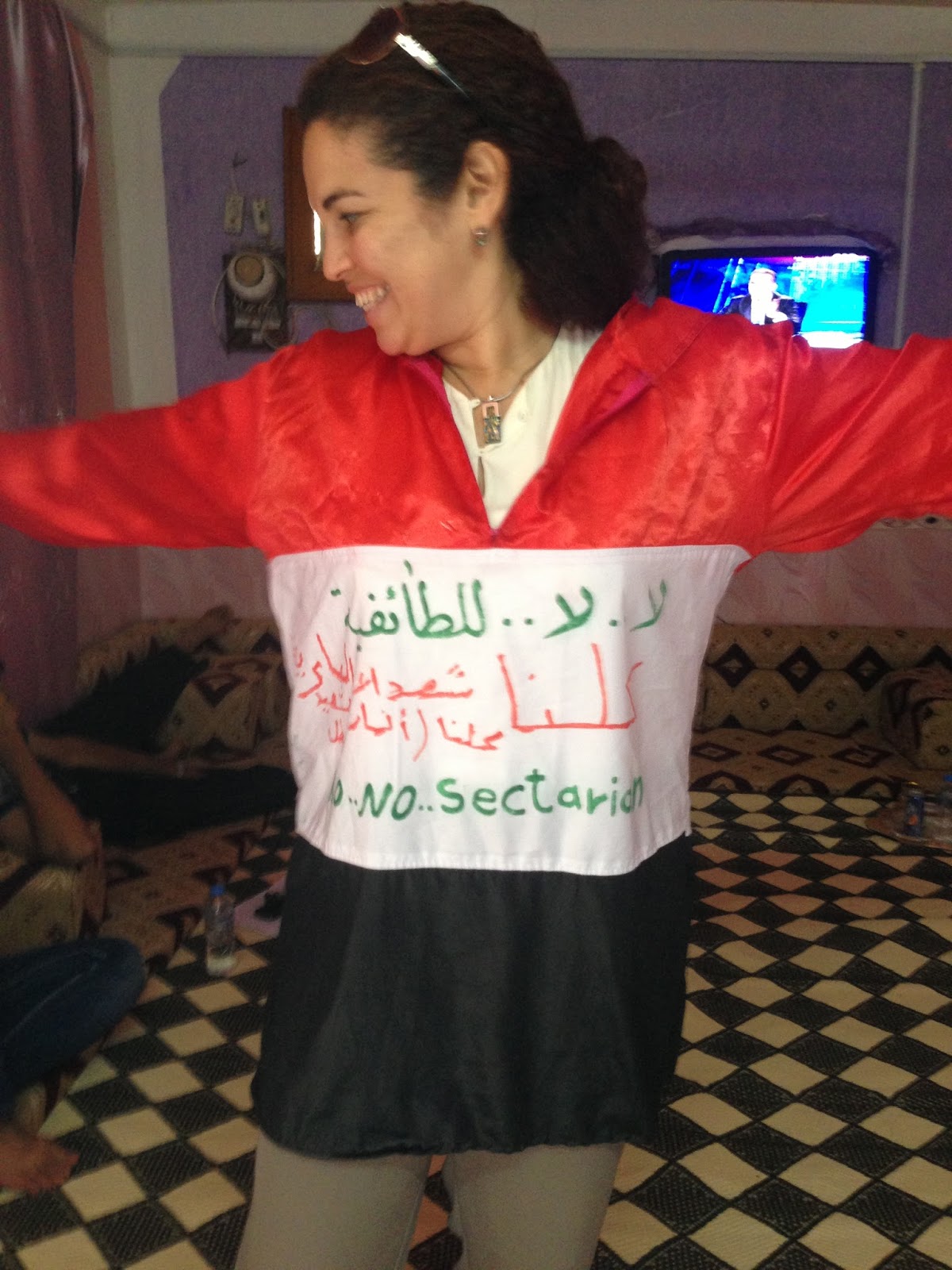
Recently, there was a big explosion in a café in Baghdad where around 40 people died, many of them youth. This sparked a big campaign all over Iraq; No to sectarianism. I saw this phrase written in a couple of places, one of them a checkpoint. Our friends in Nasriya showed me a jacket with the same slogan written. They told me they had been in Baghdad for a rally. I am humbled by the creativity and energy of Iraqi youth that are continuously challenged by an environment of violence but that refuse to give up and come with creative ways to express their opposition to violence and sectarianism.

Over dinner, we were already in Diwaniya. We were discussing about our work and Nawres was saying that she is often challenged because of her volunteer work. She is a blogger and a journalist and she is working from inside to change her society. Her motivation to work against all these challenges is that she wants to leave a print, a mark on the world. She wants to become immortal through her activism; to leave something so when she dies people remember her. She tells us that at her workplace, she is the only woman, yet she has gained the respect of her colleagues by building up her department infrastructure and systems. Another friend, who works in the Ministry of Environment, said that is not allowed to work with civil society and at the same time to be a government employee. He said that he works "low- profile".

For the last 4 days, I had the opportunity to meet Iraqi youth from Basra, Amara, Nasriya and Diwaniya provinces. These youth was not passive; they showed to be a great example of empowerment, of how to work against sectarianism. For example, like the work of a group of youth in Amara, called Team Ana Missan. They visited a hospital to deliver flowers, organized different activities like cleaning drives. In Nasriya, this group of young people have in turn organised and are demanding action from their government to solve the electricity problem that exhausts the lives of many, many Iraqis.

Some of the youth in Amara in one of the seminars about the water issues in Iraq
In Diwaniya, the youth mobilized to convince the dean of the College of Law about the importance to have a seminar to discuss the water problems and the impacts of hydropower/irrigation projects upstream. They convinced the dean by explaining that the problem was not only in the Tigris River but that everything is connected. They clarified that these dams will have big socio-economic impacts on agriculture, fishing and that the people depending on the Tigris could look into the Euphrates for a source of water, therefore affecting the way water is used in the Euphrates-Tigris basin. So, if you are overwhelmed like me from media propaganda victimizing Iraqis who live in constant violence, let these lines serve to show how the Iraqi youth is actively working to end sectarianism and violence in Iraq.

Youth in Diwaniya also self-organized a seminar in the Collegue of Law in Diwaniya

They are a living example of working to “Be the Change that you want to see in the World”

Thursday, July 25, 2013

Basra: The Venice of the Middle East?


June 25th, Basra, Iraq

It was nine o’clock when we departed Suleimaniya, in the autonomous region of Kurdistan. The captain announced the temperature was 32 degrees; two hours later when we landed in Basra, it was 46 degrees. Basra is hot and dry, and it is said to be one of the hottest cities in the planet; coming from a tropical island, I am not used to it. Basra, the second largest city after Baghdad, is also the biggest port in Iraq. It is part of the historical Sumer and the proposed location of the Garden of Eden. It used to be called the "Venice of the Middle East" for its channels 

I am in Basra for the fourth time, this time to support local activists and to facilitate a series of seminar in four different Iraqi provinces to raise awareness about water issues in Iraq. The seminars are part of an advocacy campaign against the construction of construction of a mega dam project in the stretches of the Tigris River in Turkey; Ilisu Dam. Interestingly, Basra is the only Iraqi province where the two rivers, the Tigris and the Euphrates flow. They meet in Qurna, where they form the Shatt al Arab before entering to the Gulf. Basra is also the most affected by upstream dam projects in terms of quantity and quality of water.

Sitting besides me on the plane was Ali, from Baghdad. I asked him where we were exactly because I saw dry land as I looked out the window. He said that we must have passed Baghdad and with a nostalgic tone, he said, “Iraq was not always like this, before the wars, in the 1990’s Iraq was green. Something has happened on the weather.’ I mentioned that I worked on water issues and that I knew that the effects of upstream dams have a big role on this. I told him about a recent NASA study that pointed out to alarming rates of water depletion on the Tigris and Euphrates basin and about the global movements that are struggling against water privatization and mega projects around the world. I know, I am too intense, but he follows me.

IMG_4687


One of the main topics of discussion in Basra is electricity. Almost like an obsession, everyone talks about electricity. Are we on the national grid, “watani” or on the generator, “mualid”? What we simply call electricity is divided into 2 parallel systems: national electricity running for 2 hours and a system of private generators that run 4-6 hours. There is electricity for 6 hours a day, or less and the rest of the time the electricity is supplied privately, for those who can afford it. This is particularly critical in the summer, when the temperature is unbearable (130 degrees Fahrenheit). The obsession is for a reason! This problem has affected the lives of Iraqis for the past 10 years. They have to pay vast amounts of money to buy amperes from the private generators.

Women and children suffer the most from this as they stay at home during the hot summer. Here in Iraq, any women can tell you how many amperes she needs to run her fridge and keep the house cool; something that only electricians would know in other parts of the world. When electricity changes back to the main “national grid” in the afternoon, Iraqis just want to relax and to take a nap, as sometimes they cannot sleep at night because it is too hot and uncomfortable to sleep. Basic needs like electricity that we in the west take for granted are the struggle of every Iraqi. It is hard to imagine that something as basic as electricity is lacking in an oil producing country as Iraq.

Basra has other basic infrastructure problems, like lack of waste management, and problems with water quality. On the first one, I am afraid I have not much information on why there is no proper waste management; all the streets are full of garbage and sewage water. On the second one, I have a lot to say, as it is the main reason of my travel to Basra. The water quality issues are mostly salinization of the water coming from the Euphrates and Tigris Rivers that form the Shatt Al Arab. This salinization is due mainly to decreased flow of the two rivers, causing the salty water from the gulf to enter into the river. The reasons are upstream damming and re-routing of the Tigris and Euphrates and its tributaries that feed into the rivers and push the salty water into the sea. Over the last 20 years, dam projects in Iran and Turkey have reduced the water of the Euphrates and the Tigris significantly; some studies reveal reductions of over 75% on the Euphrates. Iran has also dammed the Karun river that feeds directly and contributes around two thirds of the Shatt al Arab. This has caused tremendous damage to the water supply, agriculture and herding.

One of my friends in Basra is studying at the Marine Science Center in Basra. He is doing his research on a fish called Tinalosa Elisa, he is studying some sort of fish management. He goes to the sea with the fishermen, and he does different measurements like the size of the fish caught. He is also aware how the water problem affects the fishing industry. For example this fish goes from the sea to the fresh water to nest, so the fact that the sea is entering the river, means that now some fish have to go further upstream to lay their eggs. Some species are not able to adapt to these fast changes. He wanted to illustrate the salty water problem, so he got his pH, conductivity meter to show me. We measured three sources: tap water, RO filtered water and bottled water. Results were 1290 parts per million, 109 ppm and 42 ppm for bottled water. A difference of 30 times more salty from tap to bottled water. Which one would you drink?

Basra is highly militarized but has managed to be generally safe. There are checkpoints every 100 meters and people has gotten used to it. I think that they feel generally safe. The youth I spoke with in Basra, some of them university students said they are tired. They are tired of corruption, tired of the security situation, tired of unemployment, tired of the electricity problem. They are discouraged; they think there is little hope to solve their problems. They have adapted; if there is no electricity they resort to generators, they are always in survival mode. In spite of all the challenges of lack of infrastructure and services, people are very kind, always giving you a smile, always offering everything they have to make you feel at home.

In this context, the general perception of Iraqis is that the government is not in a position to demand other governments to give Iraq its fair share of water from the Tigris and Euphrates, when they cannot manage their own water or provide basic security or infrastructure to its citizens. This is the bittersweet reality of Iraq and this is why I keep coming back to the south and feel that supporting local activists working for a democratic, more transparent and inclusive Iraq is essential.


Some pictures from my trip to Basra

Sunday, June 2, 2013

Rivers Unite, Dams Divide: A Struggle to Protect Rivers and Preserve Life


“The struggle of the Mapuche, Hasankeyf and the Amazon, is a struggle to preserve the planet” Mapuche leader Moira Millan to Osman Baydemir, Mayor of Diyarbakir.

IMG_3356
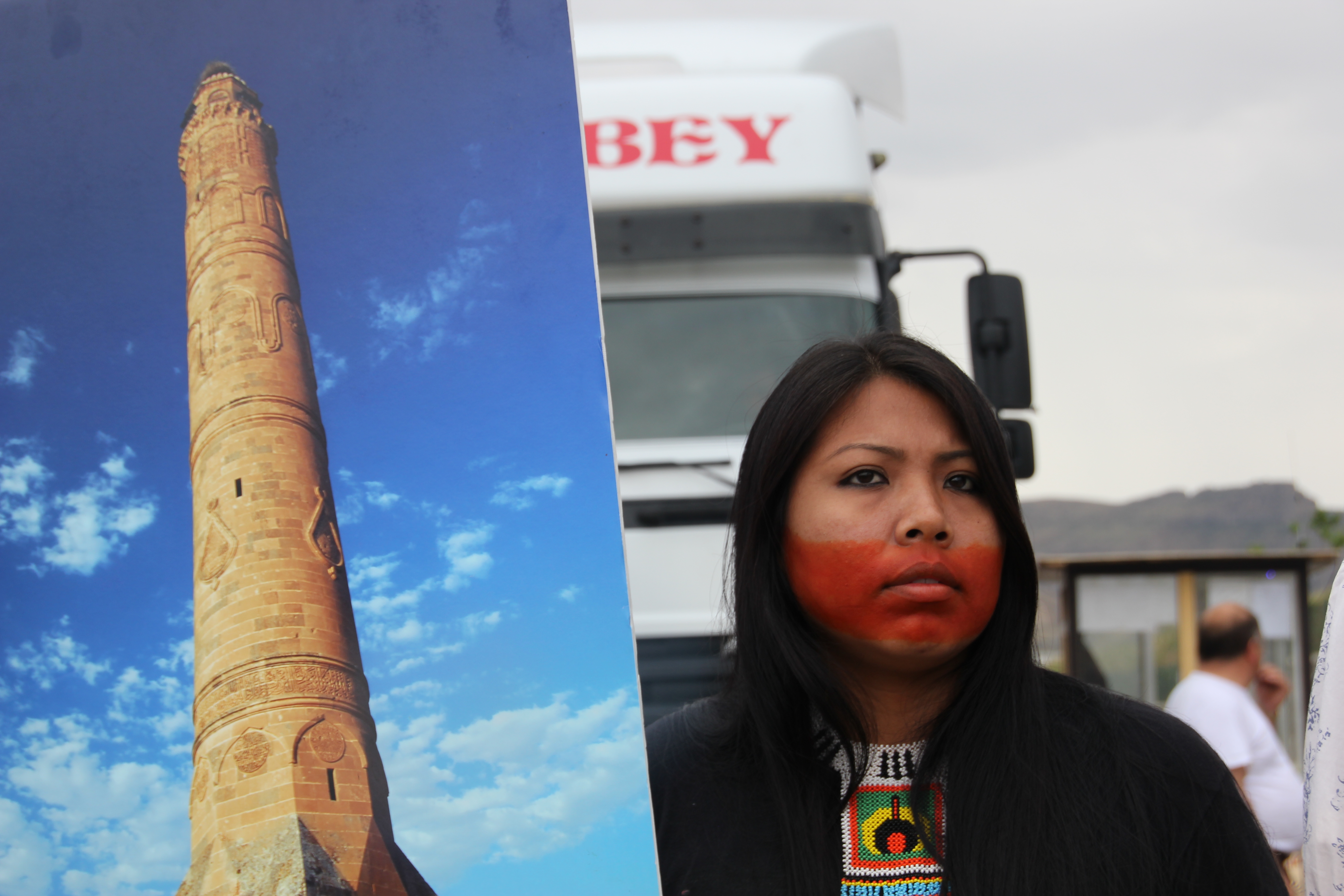
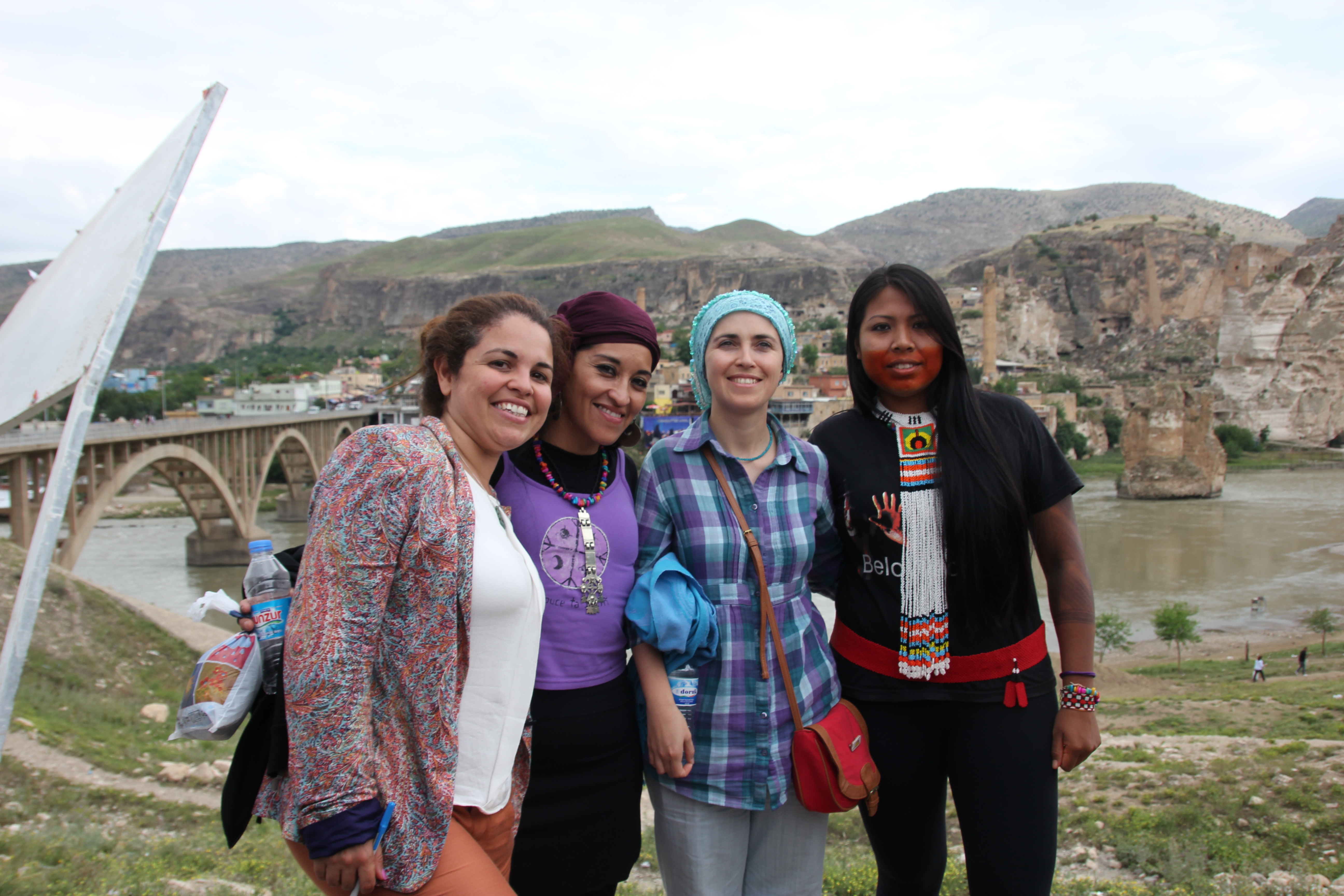
Mayalu, a young indigenous leader from the Matto Grosso communities in the Amazon holds a picture of a Hasankeyf mosque at the demonstration at the Ilisu construction site.

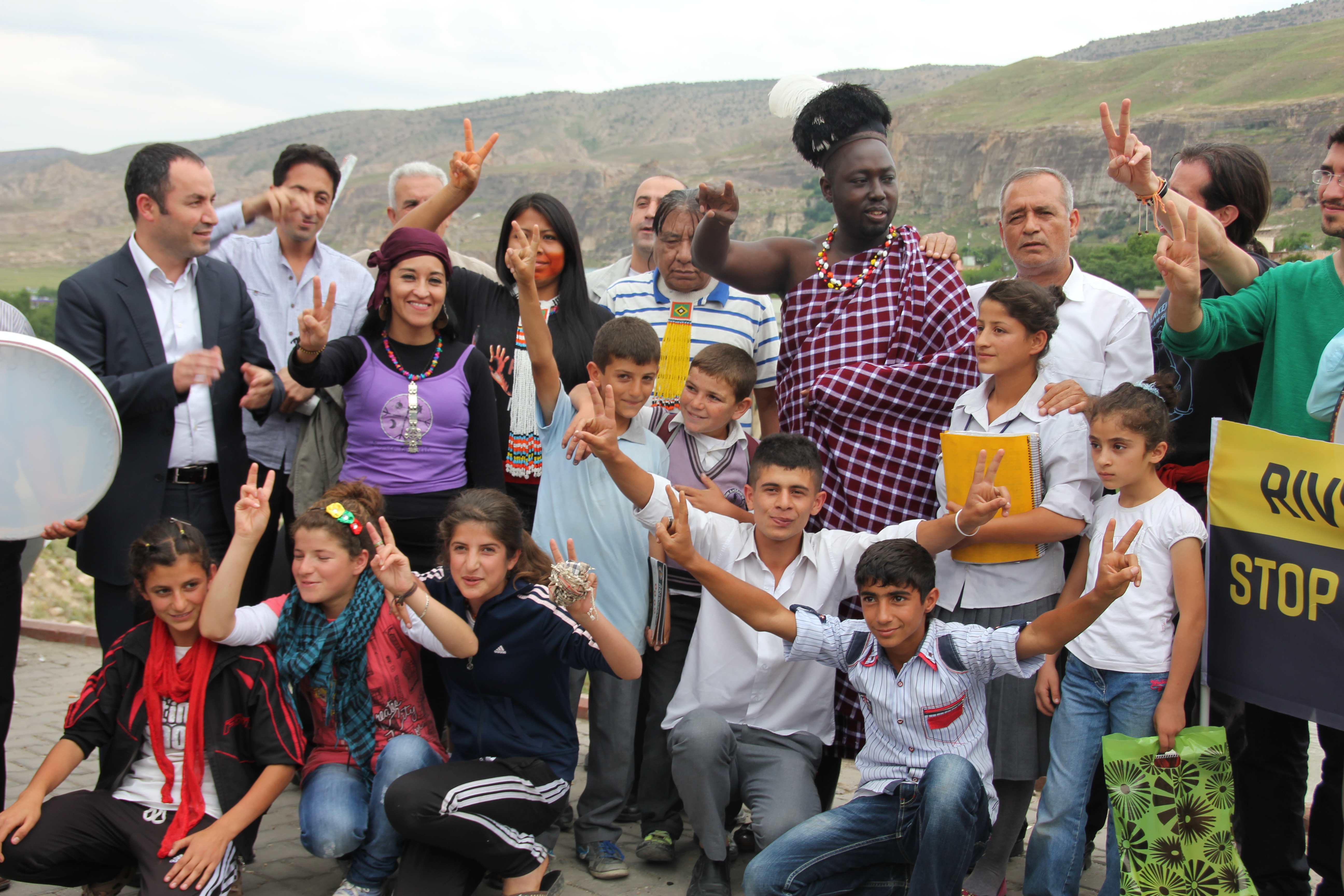
Last week I was in Diyarbakir together with an international delegation coming from as far as the end of the world. Indigenous leaders from Patagonia’s Mapuche, Amazon’s Kayapos, and Kenya’s Turkana people were part of an international rivers conference in Istanbul organized by Doga Dernegi, a local environmental organization. All of them had one thing in common: they were leaders of indigenous communities threatened by the construction of mega-dam projects and were there to show global solidarity with the people and the struggle against the Ilisu dam.

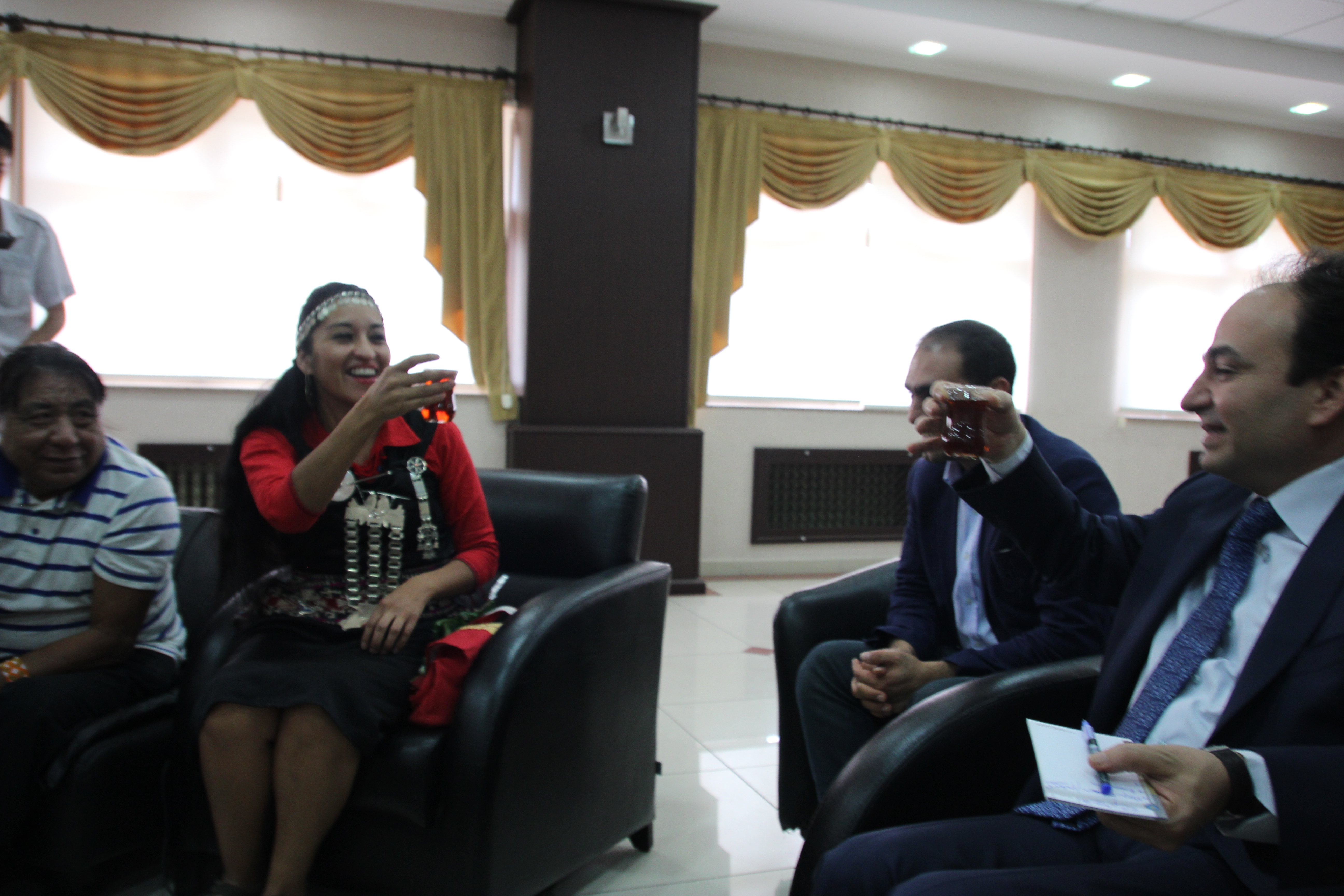
After the conference, the international delegation traveled to Diyarbakir and Hasankeyf to meet its people and politicians and to remind them of their responsibility to protect rivers and be the voice of their people. Mapuche leader Moira Millan told Osman Baydemir, Diyarbakir’s mayor that she had come from the end of the world to defend the Tigris River, “We stand in solidarity against the political and economical threats that are a threat to the continuity of peoples and cultures.” The mapuches have a long history in fighting to defend their land and rivers, Moira added: “To regain our freedom at the expense of the destruction of the planet is not true freedom, is the same logic that has enslaved us. I propose a toss for free rivers” and with a tea glass in hand, we all tossed for the world’s rivers.
IMG_3271
A toss for rivers: Osman Baydemir Diyarbakir's mayor and mapuche leader Moira Millan
The mayor received us in a spirit of unity and solidarity, “Your presence here will raise awareness of millions and will create a network of solidarity.” “Dams are blocking natural flow of life” and he noted, “For investment to be true, it has to take human, environmental, social and cultural heritage at its center.” Speaking about the peace process he added, “The process at the moment is described as a ceasefire, it does not mean is a lasting peace. We need to guarantee under the constitution cultural and language rights. For a lasting peace, all groups should be given cultural and religious freedoms...Governments have to change policies towards nature, as long as forests are developed and rivers are dammed, it is not sustainable.” 

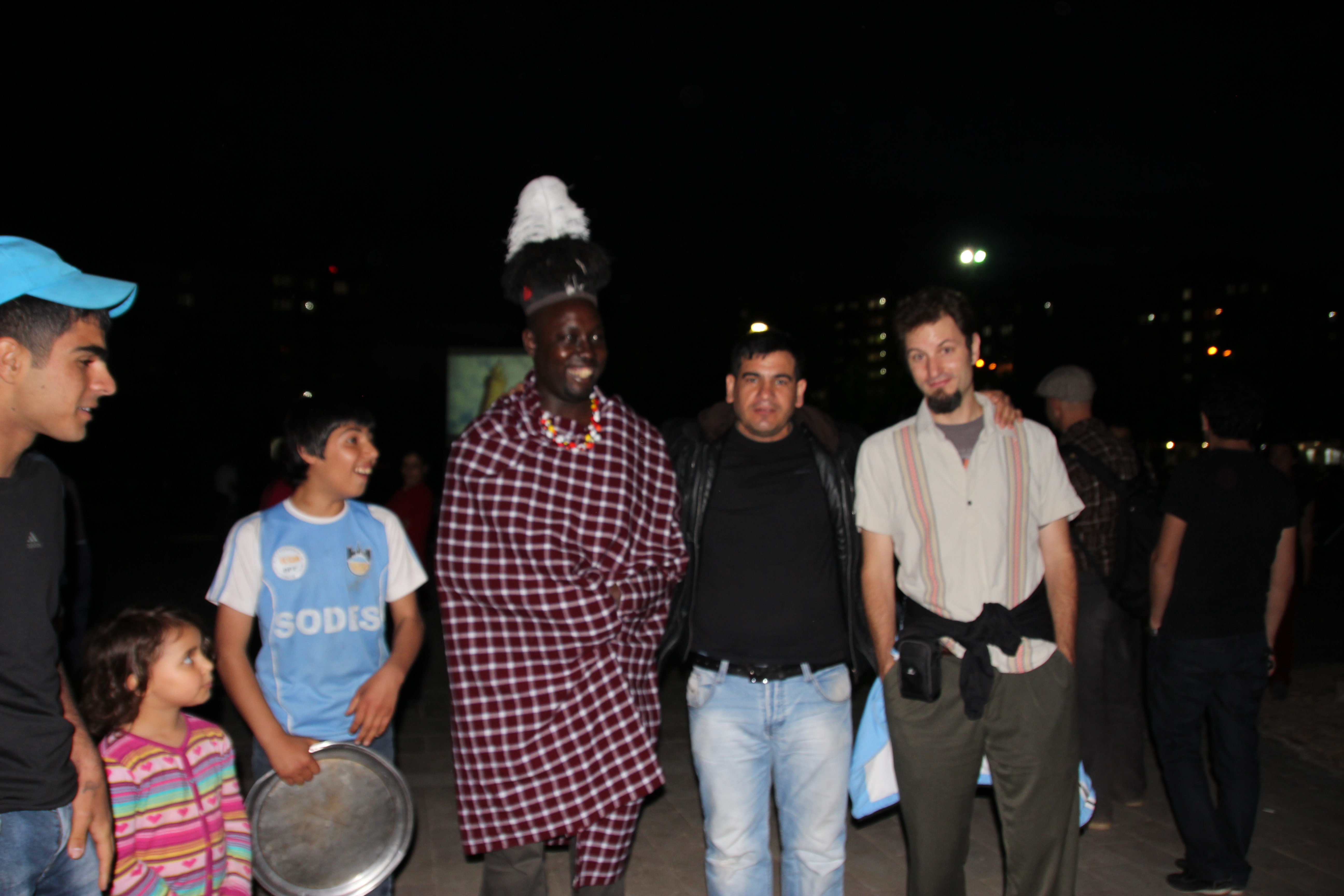
When I mentioned the Save the Tigris Campaign and civil society efforts in Iraq to increase awareness about the impact of upstream dams on Iraqi water resources, he was very happy. He mentioned that his city has started a pilot project of a waste treatment plant, to process the water before returning it back in the river, because it belongs to all the people living along the river. He encouraged cooperation through a recently launched initiative called “United Cities Local Governments,” which Diyarbakir is already a member, we could invite cities that lie along the river to develop stronger cooperation in projects. This could be an opportunity to work together towards solutions to the water issue. Later we moved to a square in the city for the showing of the Damocracy documentary. A lot of young people were there, especially curious about Joshua’s-the Turkana community leader- clothes and hat.
IMG_3321
Joshua from the Turkana people in Kenya in Diyarbakir after the Damocracy documentary film
After the film, we had some time to share experiences and stories from our struggles that although different have many commonalities. Governments using violence and intimidation to undermine communities, displacement of already impoverished communities. Moira tells how in Argentina, the state is murdering indigenous people that oppose the way the state relates to nature and water. Two of her friends have been murdered. “It is very painful to think that tomorrow it can be me.”

An Unexpected Detour
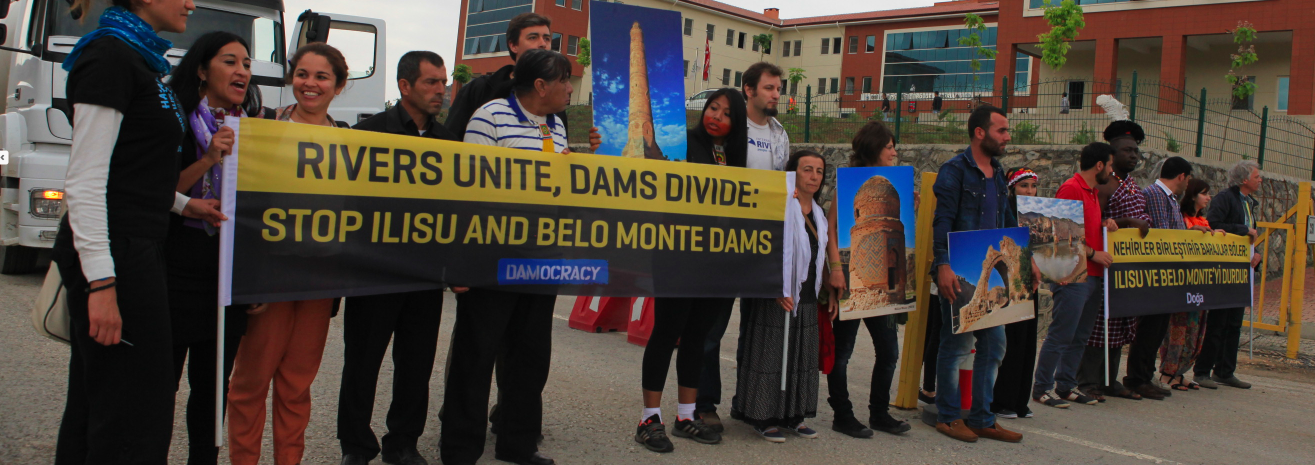
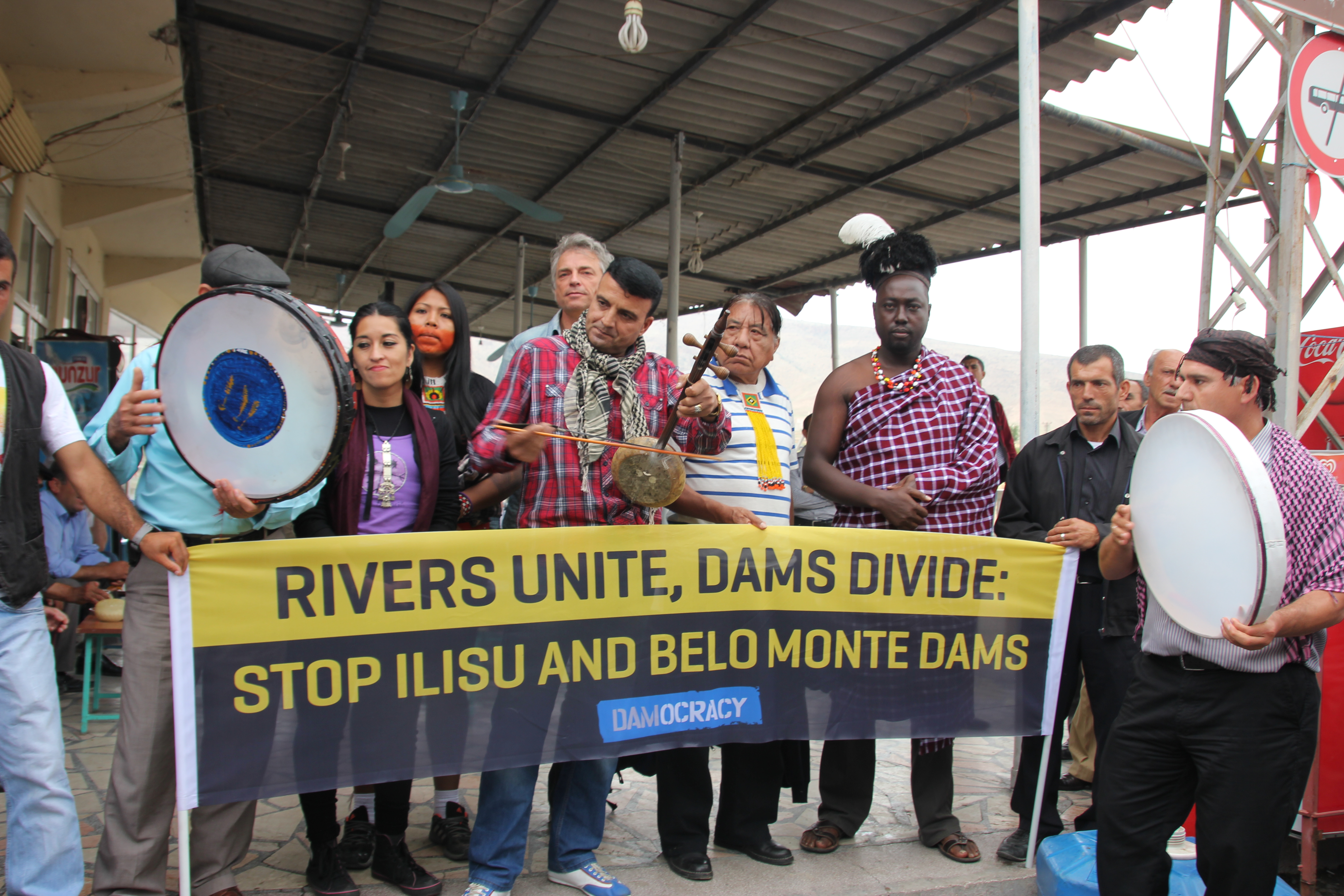
Next day we headed to Hasankeyf, but before reaching the town, we made an unexpected detour. We went to the Ilisu dam construction site. There we had a peaceful demonstration where leaders from the indigenous communities held banners that read; “Rivers Unite; Dams Divide. Stop Belo Monte and Ilisu Dams” blocking the entrance. The international delegation joined local protesters in solidarity against the Ilisu dam. One of the messages from Joshua, representative of the Turkana people in Kenya was that “development needs to come within the social justice framework, if communities are involved in the initial stages, we will have consensus.”

Screen Shot 2013-05-23 at 8.43.34 PM
International Delegation holding banners and blocking the entrance to the construction site of Ilisu dam
The image was powerful; a gathering of people from all over the world coming together to protect one of the rivers that gave birth to civilization; the Tigris River, separated by geography, language and culture, yet united in one voice, the voice of the river! When the delegation reached Hasankeyf after the protest, it was received with traditional music from Mesopotamia. We all walked towards the citadel, with music and displaying our message of rivers unite, and dams divide. Moira, the mapuche leader offered a traditional song from her people as a gift to the people of Hasankeyf.
IMG_3362
Musicians from Hasankeyf receive the international delegation to traditional music from the area
After the long day, we were sitting in one of the cafes overlooking the Tigris River. Chief Megaron was next to me and I was just thinking about the big responsibility of this man to protect his community. They are around 6,000 people. I was talking to him in spanish and he was talking back in Portuguese. I pulled out my computer, and despite we were both tired,  I tried to explain the issue of salty water coming into the river in Basra, I showed him several maps, trying to convey the message, showing the confluence of the Tigris and Euphrates in the Shatt al Arab. He got it.

In the meantime, Moira went into the river, to listen to it, something that is common in the mapuche culture; people talk and listen to the river. She came saddened and her eyes watering. She said the river is strong, it will survive, but what humanity is doing to its rivers is horrible. 

IMG_3478
The international delegation overlooking the Tigris river along with local residents and the mayor of Batman
It gives me a lot of energy when I meet people like Moira, Joshua, Chief Megaron, and Dicle, doing what it takes to protect water, and protect life itself. This more than a meeting was a peoples gathering, giving, and sharing. We shared music, our connection to water, our struggle, and our solidarity. Why do governments insist on solutions that are not lasting, not sustainable? Dams displace, destroy community ties, and biodiversity, and are NOT a form of clean energy. Dams life span is 70-100 years, and for that we want to kill thousands of years of civilization. The Tigris is the place where civilization itself started, with the Sumerians. Are we willing to give it away to be dammed and destroyed? Is this the form of development that we want? When a river dies, the spirit of its people die.
IMG_3482
Women as powerful agents of change!
As we speak, the indigenous people in Brazil have re-occupied the Belo Monte construction site. They were ordered by the court to leave by May 30th, 4pm local time, but they have decided to stay, and are putting their lives at risk to protect their land and their water. The court has ruled to use force to removed them from the construction site. They are saying: “we will die, but we will not leave without being heard.” Again the same struggle, people against government, corporations and private interest. Nature and the environment against a powerful machinery of development, investments, loans and capitalism. Are they going to lose their lives or is the Brazilian president going to listen to these communities and find a peaceful solution to the conflict. It is their struggle; it is now our struggle.

IMG_3417
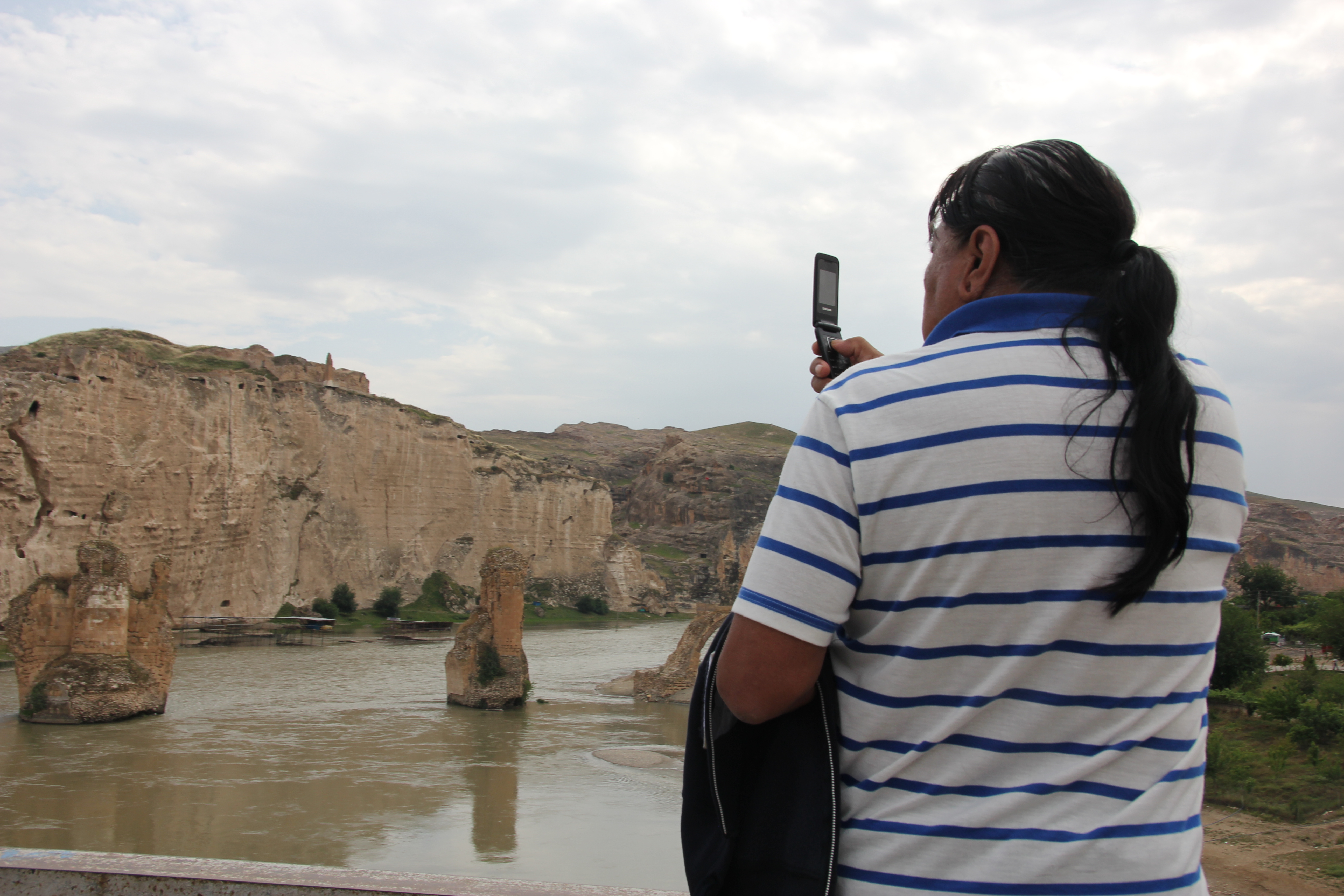
Chief Megaron looking at the old bridge, while in Brazil, its own people continue to ocupy the Belo Monte dam site

A similar version of this post appeared on the Iraqi Civil SOciety Solidarity Initiative
at http://www.iraqicivilsociety.org/archives/1830